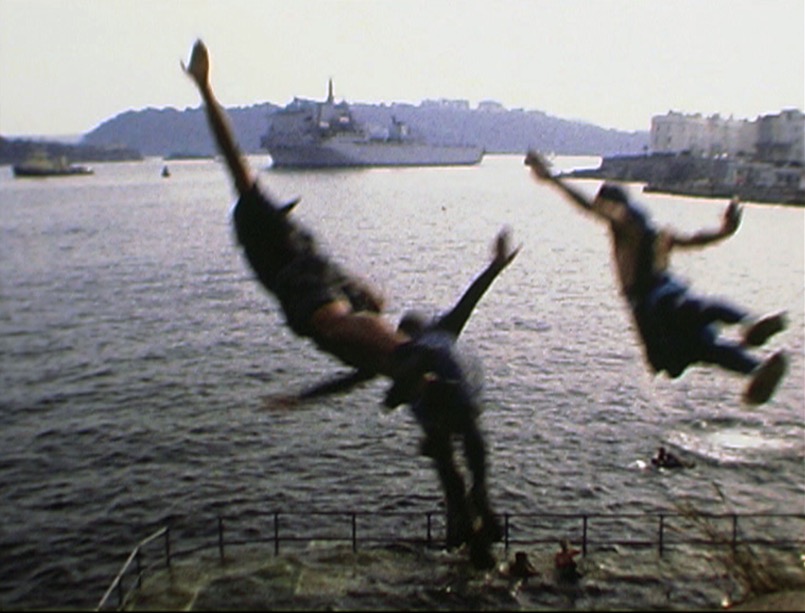

I had produced a new iteration of the 10 minute version of the “20 Seconds a Day” film which played as a backdrop to my presentation on Wednesday 4 May at Frenchay. The updated film has been selected for the BEEF Cephalopod screening at Supernormal 5-7 August 2016.
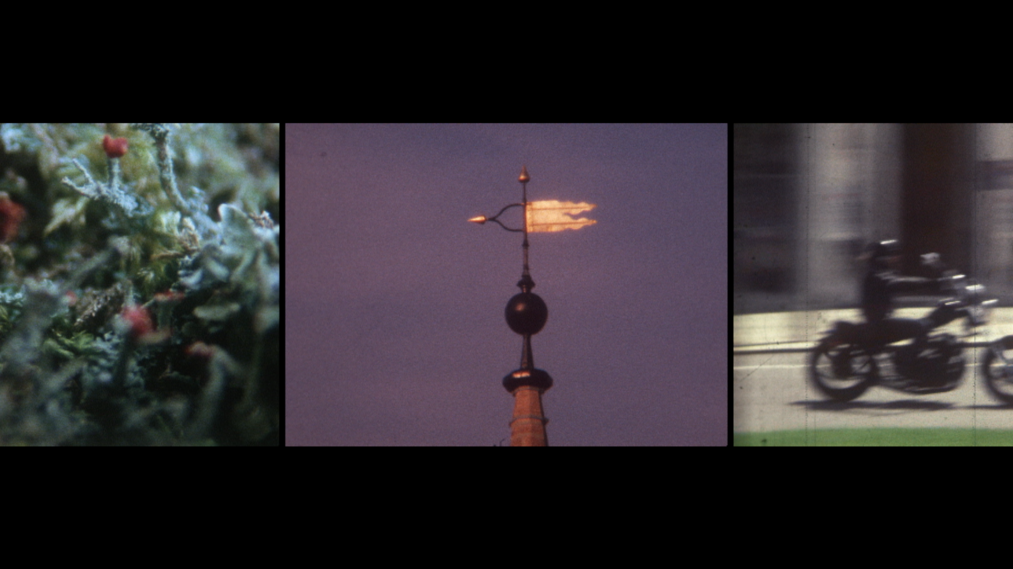
The original film comprised 31 one-second clips making a 31 second film. The presentation had a duration of ten minutes so I extended each one second clip to 20 seconds and removed one of the 31clips (30 clips x 20 seconds = 600 seconds or 10 minutes).
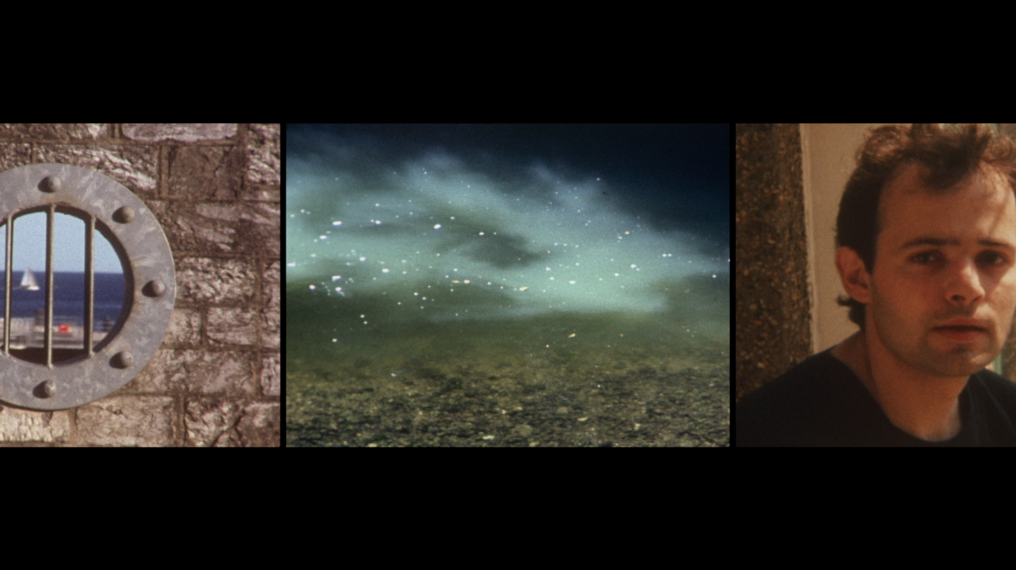
The reinstated clip brings the running time to 10 min 20 sec and is truer to the original methodology of choosing a clip a day throughout the 31 days of March 2016.
Super 8 cameras often have automatic exposure so filming can be somewhat freewheeling in execution: frame, focus and press the trigger. The cost of the film and processing has the opposite effect, encouraging frugality so shots tend to be fairly short. The editing technique of extending each shot by 19 seconds often revealed in-camera edits so the longer compilation film has many more than 31 shots. As the film progresses the intentionally arbitrary sequence of clips – initiated by the chosen one second a day shots – is further randomised by the inclusion of whatever is on the Super 8 strip/reel immediately afterwards. Following the initial one-second shot could be another similar shot filmed immediately after the first (or indeed a continuation of the first shot) or sequences from another time and location, whether edited in-camera or later with a splicer.
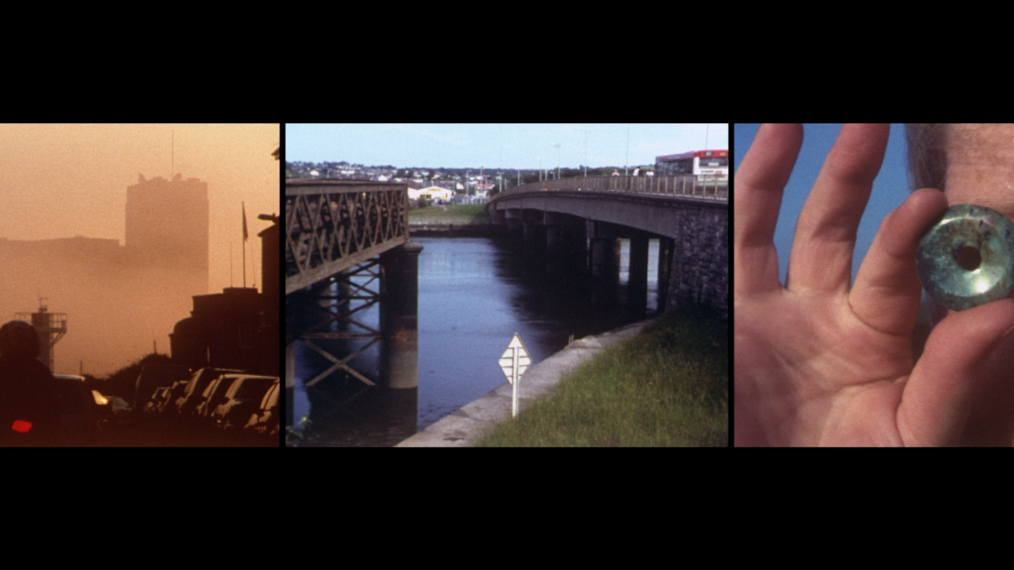
These temporal and geographical/locational shifts in the film feel somewhat like remembering, where a memory of one event sparks others. The matter of in-camera editing came up at the Parallel Art and Cinema Sunday morning discussion in March in as much as digital cameras tend to be file-based so as soon as the recording camera is stopped the shot becomes a discrete clip in the device’s memory. The discussion was framed by two lecturers bemoaning the loss of a simple exercise for neophyte student filmmakers to take a video camera out and shoot a camera edited sequence which could be instantly played back in a seminar session.
Is this clip-centred paradigm a result of easy access to editing on computers where the need to cut up lengthy in-camera compilations would just add an extra step in ordering and rejecting footage, or possibly the opposite where the essentially cost free nature of the recording means that the documentation of an event would be more likely filmed in a long continuous shot? Walter Murch in The Blink of an Eye discussed explaining film editing at its most basic:
“Because, in a certain sense, editing is cutting out the bad bits, the tough question is, What makes a bad bit? When you are shooting a home movie and the camera wanders, that’s obviously a bad bit, and it’s clear that you want to cut it out. The goal of a home movie is usually pretty simple: an unrestructured record of events in continuous time. The goal of narrative films is much more complicated because of the fragmented time structure and the need to indicate internal states of being, and so it becomes proportionately more complicated to identify what is a “bad bit.”” {Murch, 2001, #50064}
In 2001 second edition of his book had been extensively updated to take account of the rapid move from physically editing film material to digitisation and computer editing. He remarked:
“In 1995, no digitally edited film had yet won an Oscar for best editing. Since 1996, every winner has been edited digitally-with the notable exception of Saving Private Ryan in 1998. 1995 was also the year that In the Blink of an Eye was first published in the United States. That edition included a section on digital editing as things stood at the time. It was clear to me then that the complete digitization of the moving image was inevitable, but the time frame for that transformation was not obvious and I looked at the situation with mixed feelings. At that time I also lacked digital editing experience.” {Murch, 2001, #50064}