Ektachrome as the 21st Century Kodachrome

The release of the updated Ektachrome 100D 7294 has generated some interesting online material, including this Spanish site:
Google Translate’s attempt

Unpicking the machine translation I have:

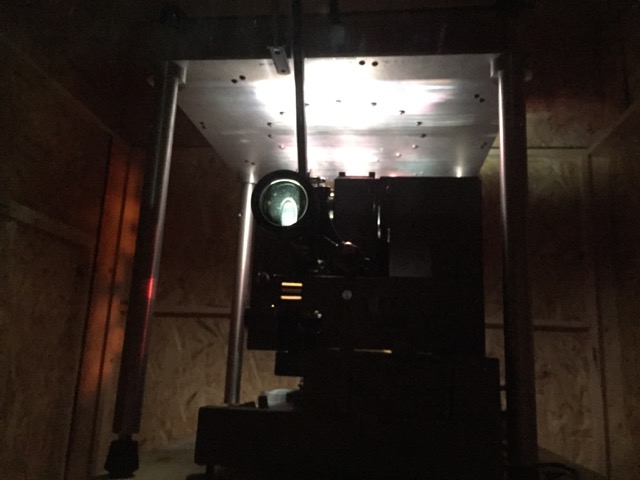
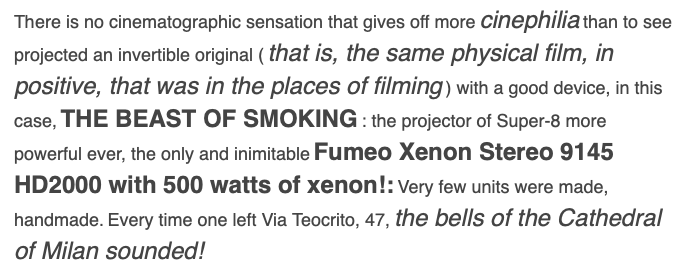
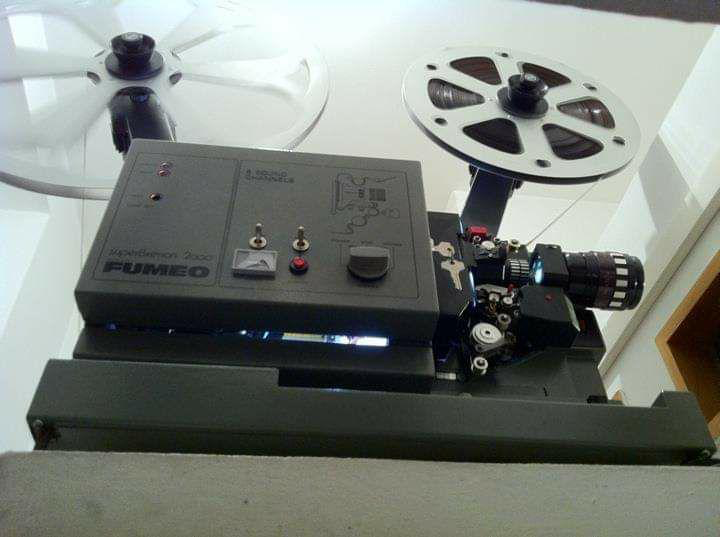
There is no more cinephilic sensation than to see projected a reversal original ( that is, the same physical film, in positive, that was in the places of filming ) with a good device, in this case, THE BEAST OF A FUMEO : the most powerful Super 8 projector ever, the only and inimitable Fumeo Xenon Stereo 9145 HD2000 with 500 watts of xenon!: Very few units were made, all handmade. Every time one left Via Teocrito, 47, the bells of Milan Cathedral sounded!

Ignacio Benedeti Corzo

Spanish original web page:
https://mimundoensuper-8.blogspot.com/2018/12/la-bestia-el-fumeo-9145.html

Accessed 07/12/18

That harks back to my writing about the German filmmaker Milena Gierke  projecting her camera originals – being there beside the camera’s gate in the past and the projector gate in the present.

In the film below at 13’ 48” Ignacio Benedeti Corzo states “if Kodachrome was the colour of the 20th century, Ektachrome is the colour of the 21st!”

FERROL 7294 (First Kodak Ektachrome 100D 7294 Super8 4K ever)
DRHA 2017 DataAche exhibition

Skimming the Archive
Single channel HD video work comprising three panes of Super 8 footage

The work interrogates the ‘digitised materiality’ of personal Super 8 film, contrasting the tactile presence of the celluloid archive with the malleable temporality of its digital afterlife, and more particularly the accessibility afforded by skimming many gigabytes of filmed material in a non-linear editing program.

The film was developed across the 31 days of March 2016 using a process-based methodology – each day I skimmed across the hours of footage until a single image arrested my attention (cf. Barthes’ punctum) then I appended the following second of film footage to a timeline. The three panes allude to the past, present and future.
This presentation includes the original One Second a Day and its three subsequent iterations where the camera footage clips are extended to two, seven and 20 seconds. As the clip-length extends the repeated image progression across the panes become less obvious. Skimming the Archive simultaneously celebrates the boundless possibilities of digital postproduction while lamenting the feeling that with ‘digital’ a work is never fully finished.

This project is part of my 3D3 practice-led PhD based at Digital Cultures Research Centre, UWE funded through the AHRC.

Seeing Carol

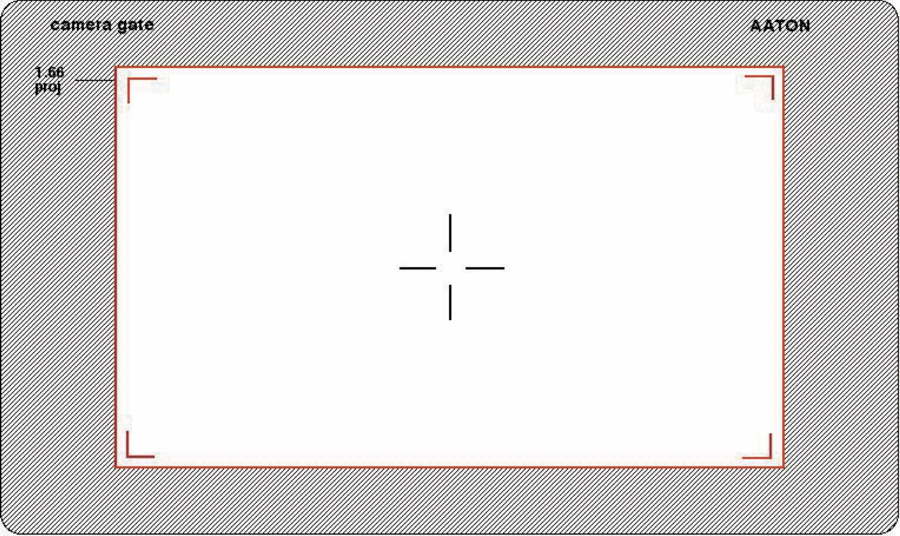
Super 16 viewfinder

I saw Carol at Plymouth Art Centre cinema sat in the centre of the front row. The auditorium in Looe Street is quite small, and the 2pm matinee screening was almost completely sold out with the venue’s fairly senior regular clientele. I wouldn’t normally sit in the front seats as the screen is quite close (maybe 4m?) but today it worked out perfectly. The visual experience was intense at such close range, the image grain was almost tangible.

Richard Brody compares the sensory affects of viewing Carol (Haynes, 2015), directed by Todd Haynes – which was shot on grainy Super 16mm film – once from the rear of the auditorium then a second time close enough to the screen in the cinema to visually experience the grain structure of the image: “They’re not effects of the actors’ skin but of its appearance on the second skin of the film stock (the French word for “film” is “pellicule,” meaning little skin) which lends the actors’ theatricalized immobility an illusion of shivers” (2015). These medium specific qualia (the experience of the projected grain images) are an example of ‘haptic visuality’ – a method of sensory analysis which is located in the viewer’s body, although it does not depend on the presence of literal touch, smell, taste or hearing. It is a concept of embodied spectatorship that situates the phenomenology of cinematic experience as synaesthetic and interactive: an exchange between two bodies.

Although the film was shot on Super 16 it went through the DI (digital intermediate) process in postproduction and was projected from a DCP. Adding grain in postproduction is common both for a ‘film look’ and also to reduce banding when using 8-bit for delivery – the latter not relevant for cinema workflows. I wonder whether shooting on a Super 16 crop of a digital sensor and using the same lenses to match the Arri 416 film camera, then adding grain in postproduction would produce a discernible difference?

http://www.newyorker.com/culture/richard-brody/carol-up-close [Accessed 9 December 2015].