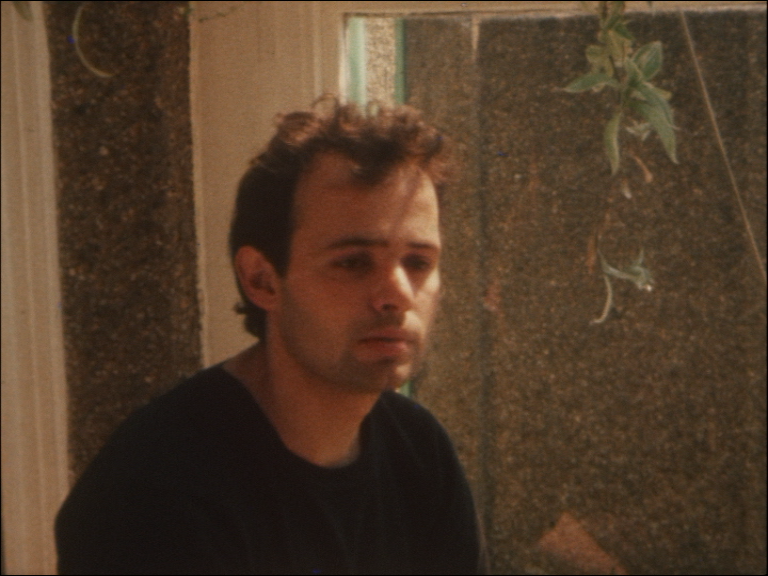
A younger me around 1990 in the garden of Beaumont Avenue filmed by Kayla. One of the few times I appear in the archive.


phd journal
A younger me around 1990 in the garden of Beaumont Avenue filmed by Kayla. One of the few times I appear in the archive.
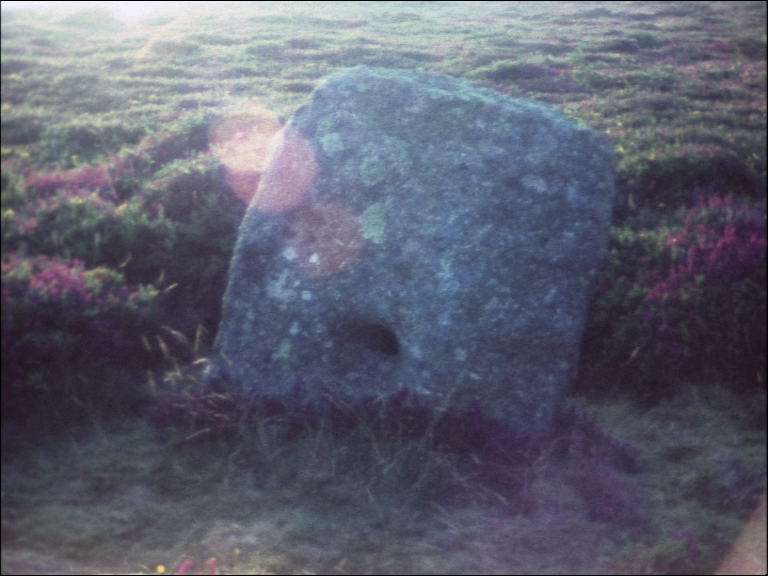
One of the holed stones at Carn Kenidjack in Cornwall. A long filming expedition to the far west on the moors of West Penwith in 1997.
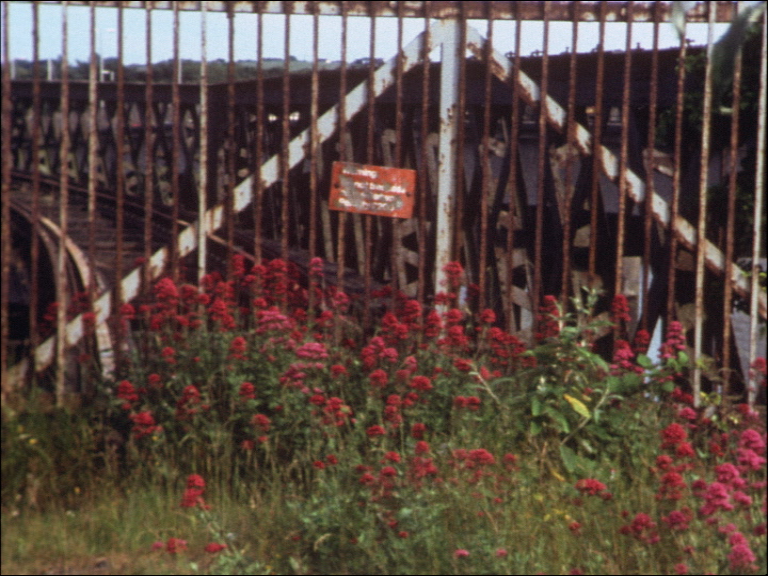
A closed railway bridge over the river Plym. Filmed in 2006 during the World Cup, the area was deserted as people were glued to the TV or barbecuing during the beautiful weather. The bridge has since been reopened as a foot and cycle bridge.
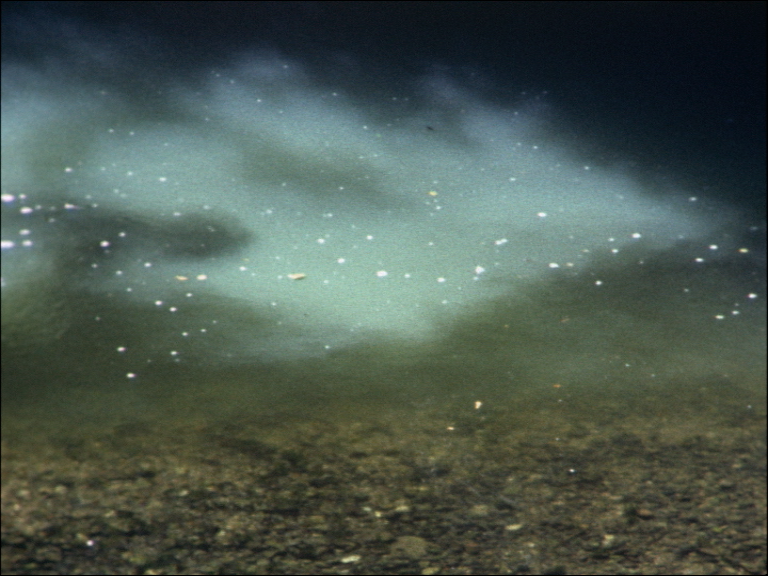
The confluence of the Tory Brook – with its china clay runoff from Dartmoor – and the River Plym near marsh Mills.
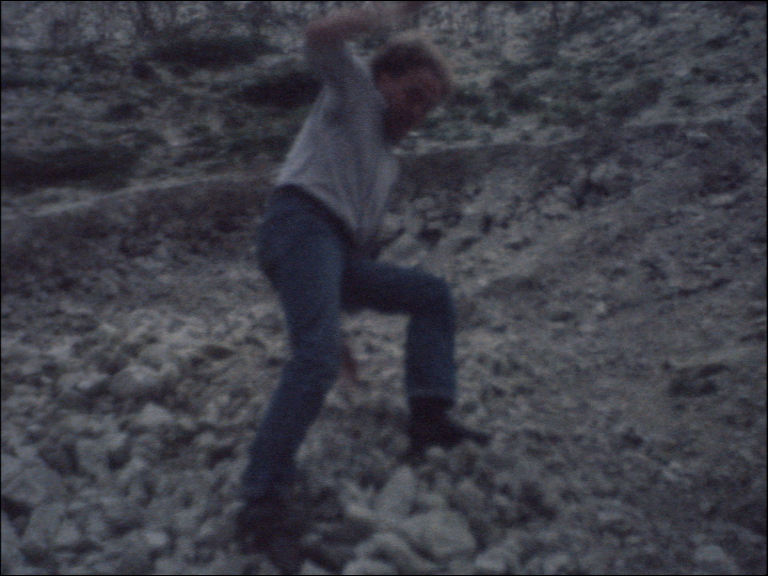
Mark Cosgrove sliding down a rubble bank on the South Downs during a trip out from Brighton where we were spending the weekend.
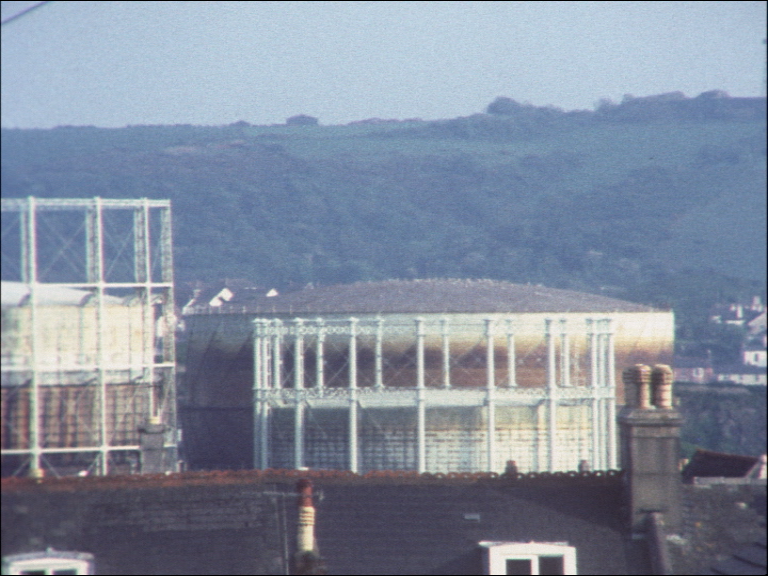
Cattedown gasometers filmed from the bedroom window, with Staddon Heights in the background. My paternal grandfather spent WW2 at the gasworks as a restricted trade so wasn’t conscripted to fight in WW2. He did his bit as an ARP warden at night during the fearful Blitz. The dreadful process of making town gas from coal led him to an early grave while I was living in Singapore as a child. I have a clear memory of my grandfather throwing a small bag of marbles from the top of the stairs down to me. The marbles were in a green rubberised bag with a drawstring.
The tiny two-up-two-down terrace where my father and his five siblings were raised backed on to the gasworks. It appears in The Way We Live by Jill Craigie as an example of squalid living – cheers Jill! I remember the smell from the gasometers when the extended family gathered at Home Sweet Home Terrace for Boxing Day lunch. The gasometers lasted longer than the gasworks, but were decommissioned then demolished early this century.
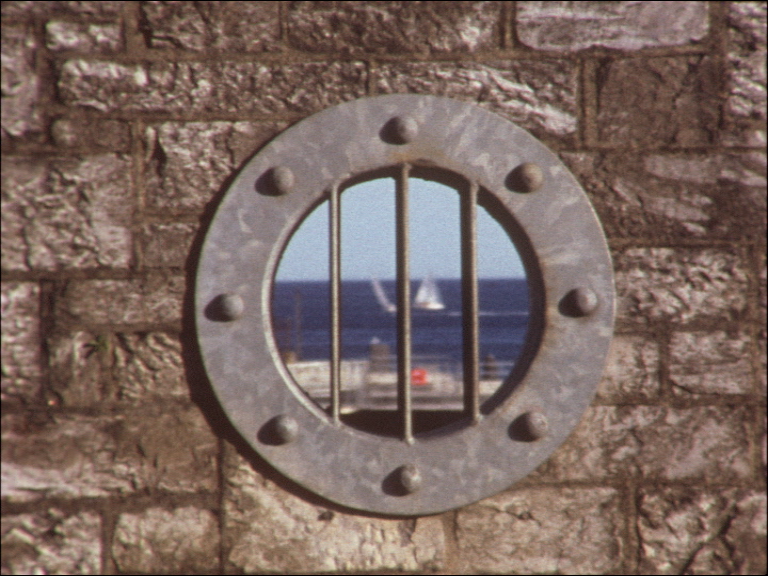
Interesting view through ‘porthole’ cut through Millbay Docks’ wall as part of the gentrification of Plymouth.
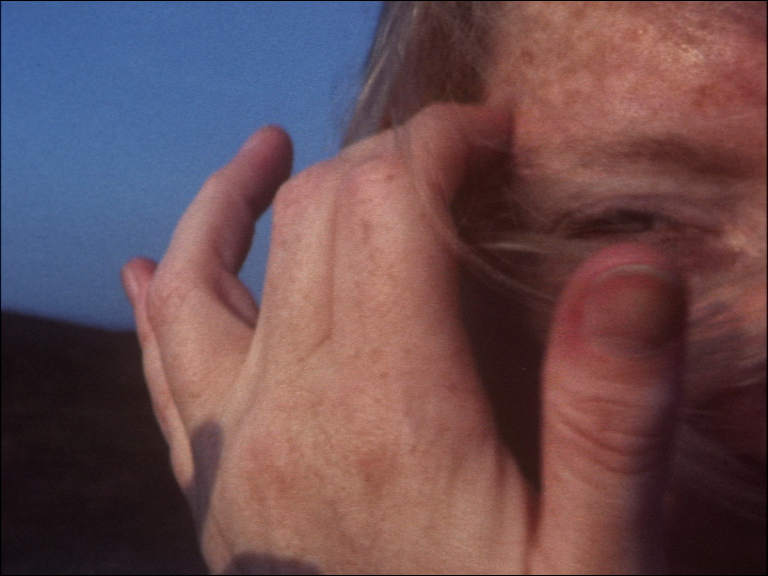
Kayla filmed looking through a holed stone for Project. Her freckles attest to the great summer of 1997.
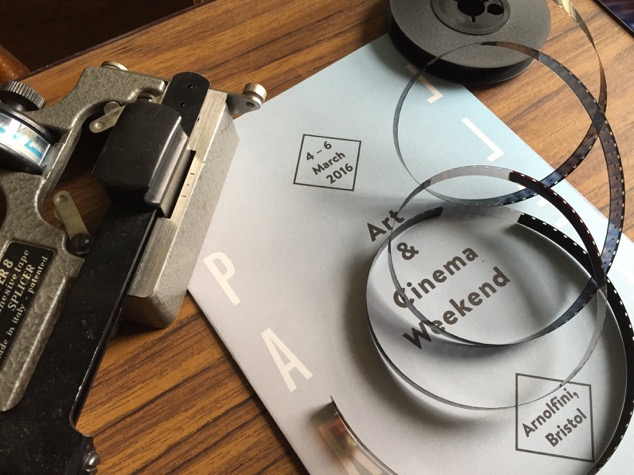
Stuart delivered a paper on Sunday 6 March at PARALLEL – ICO Art + Cinema Weekend 2016, hosted by Arnolfini, Bristol. The event was a festival of artists’ moving image, presented as part of the Independent Cinema Office’s Artists’ Moving Image Network project, in partnership with artists’ film distributor LUX.
The paper was part of the well-attended ’Bristol LUX Open Forum: First Person Plural’ session that considered responses to the questions ‘What is it about artists’ moving image which makes it particularly suited to first-person film-making? How can it articulate and help to influence a position beyond the self?’
Stuart’s presentation, ‘Archival Revival and First Person Filmmaking’, concerned authorship discernible to the audience from behind the camera. Can it be an essay film without voiceover or in a film which is not recognisably diaristic in form or intention.
Discussion around first person filmmaking – whether it’s necessarily a reflective, diaristic form, or whether it can be subjective essay filmmaking.
Impossible to do in-camera editing with file-based video devices as each clip is an island until dropped into a timeline. Discussion about film cameras being able to collect fragments of time onto a filmstrip.
Mentioned Charney “not just voyeurism, but voyeurism of loss, corpses on parade.” Photography has a medusa stare, instantly turning its subjects to stone. Film has the ability to create the undead. “Flat Death, is taken from Roland Barthes’ Camera Lucida which considers the photograph as a fixed record of a moment in time.”
Discussion around performance, and filming. Mentioned Bruzzi’s assertion that documentary is a performative practice, and not just where that’s overt e.g. Nick Broomfield.