
Global Colour and the Moving Image

phd journal
Having been re-editing Sea Front with the newly-digitised HD footage my mind has moved to audio and whether to revamp the soundtrack. The audio for the larger project Sea City was recorded on DAT and MiniDisc (MD) which are both digital formats but require the recording to be played back in real-time.
As I write this, audio from around 2009 is being ingested over an optical digital cable in to the laptop and I’m hearing the sound of swifts, blackbirds – so a summer recording – and a distant police siren from an MD labelled ‘Garden ambience 28 May 09’. The disc holds 80 minutes of audio and by no means all of it matches the label.

A few rolls of Super 8 were scanned at Geneva Stop in Bristol. The MWA HD scanner can be set up to overscan ie to include the edges of the film which were excluded from the Deluxe scan in Soho years earlier. It’s amazing to remember that in just a few years video has transitioned from broadcast interlaced 4:3 standard definition to 16:9 HD progressive and beyond.
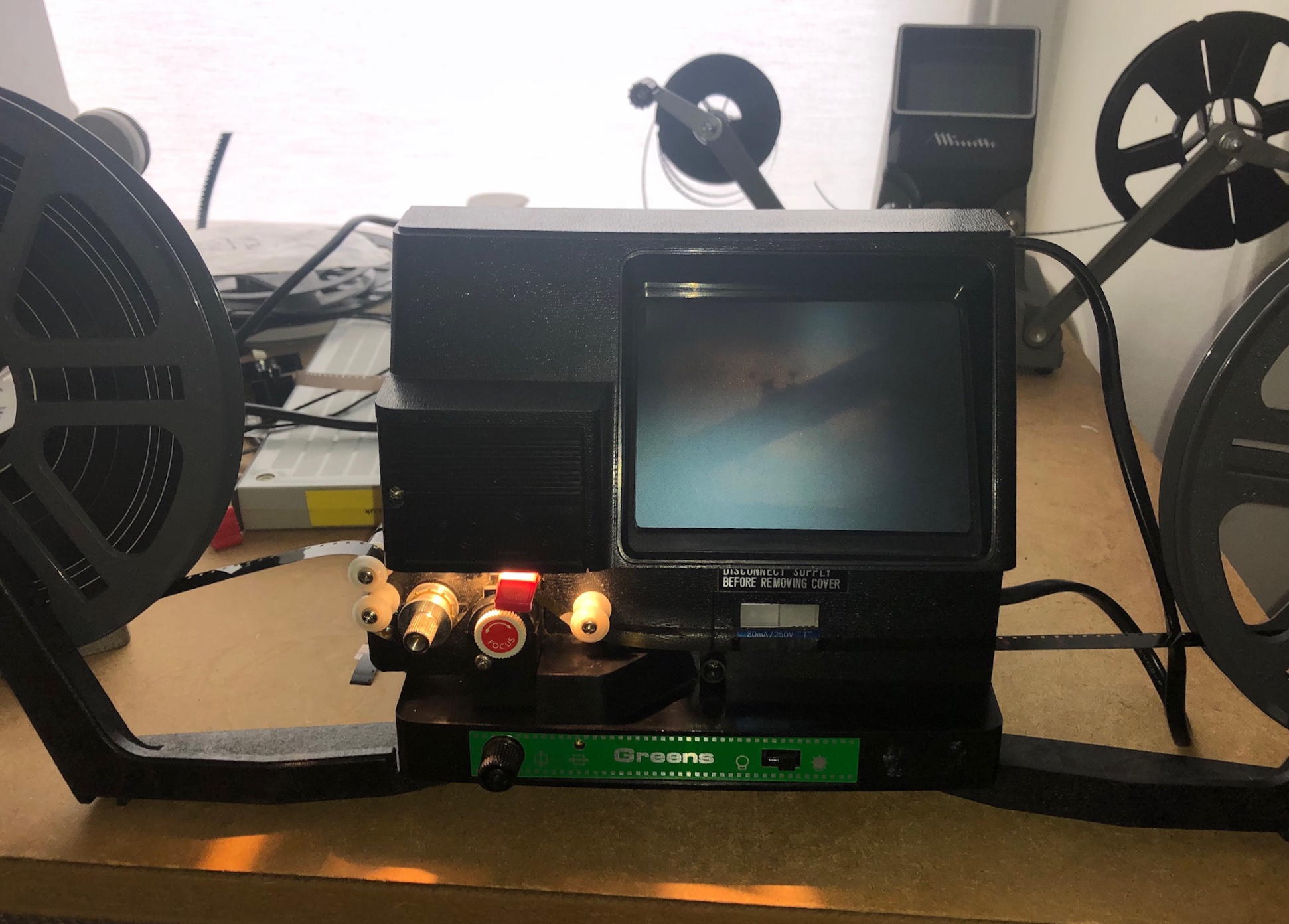
A quick check of the Super 8 reels before tomorrow’s telecine/scan at Geneva Stop in Bristol showed me that Womad was shot on a couple of – well two and a bit – 50ft rolls of Agfa Moviechrome 40. I remember this as being slightly cheaper than Kodachrome with white envelopes sent to Deer Park in west London..
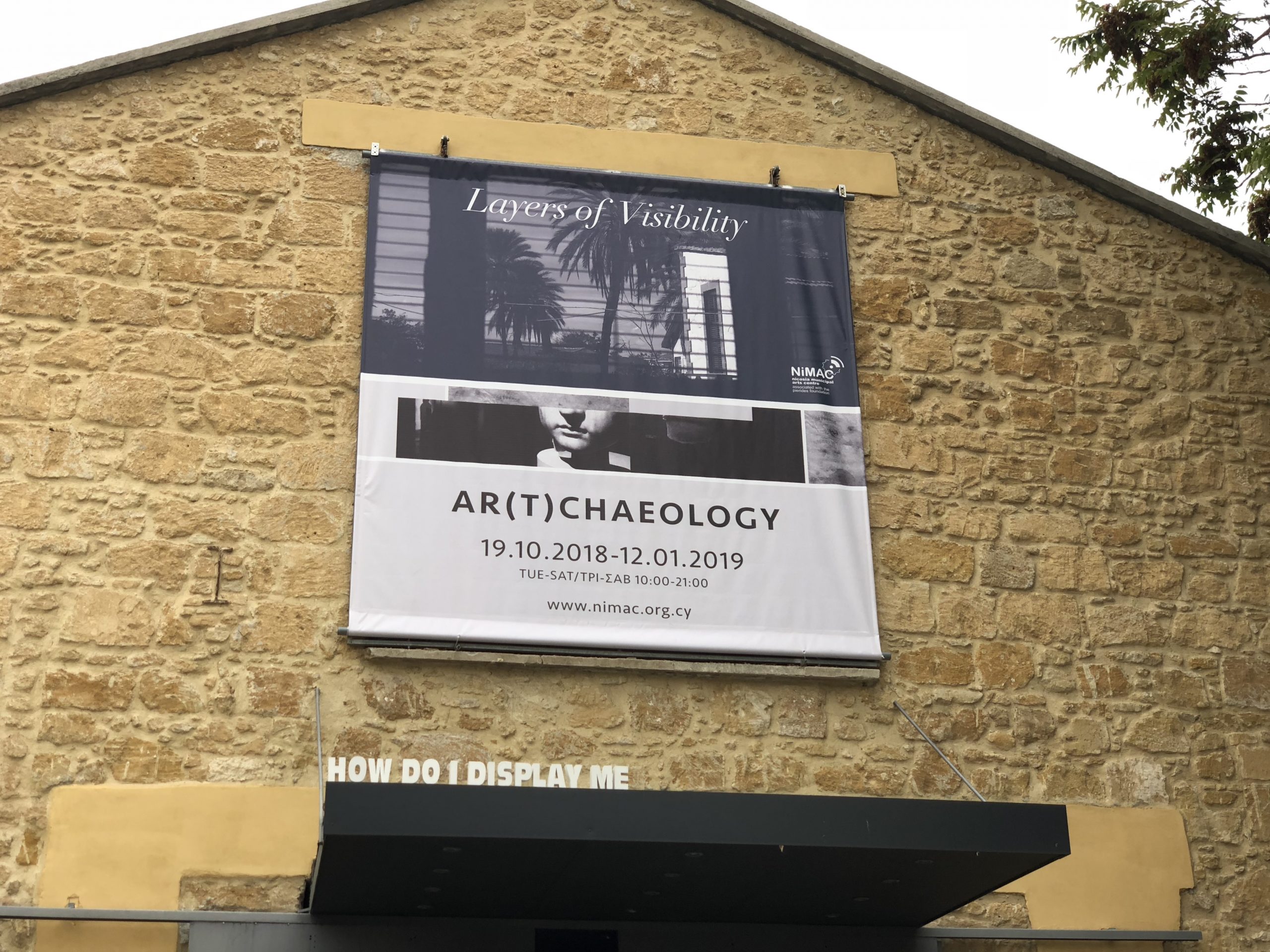
Our film will be part of the Layers of Visibility exhibition alongside Ar(t)chaeology in NiMAC from 19/10/18 to 12/01/2019. The ICPT photography conference takes place during the exhibition where we’ll present a paper on Father-land.
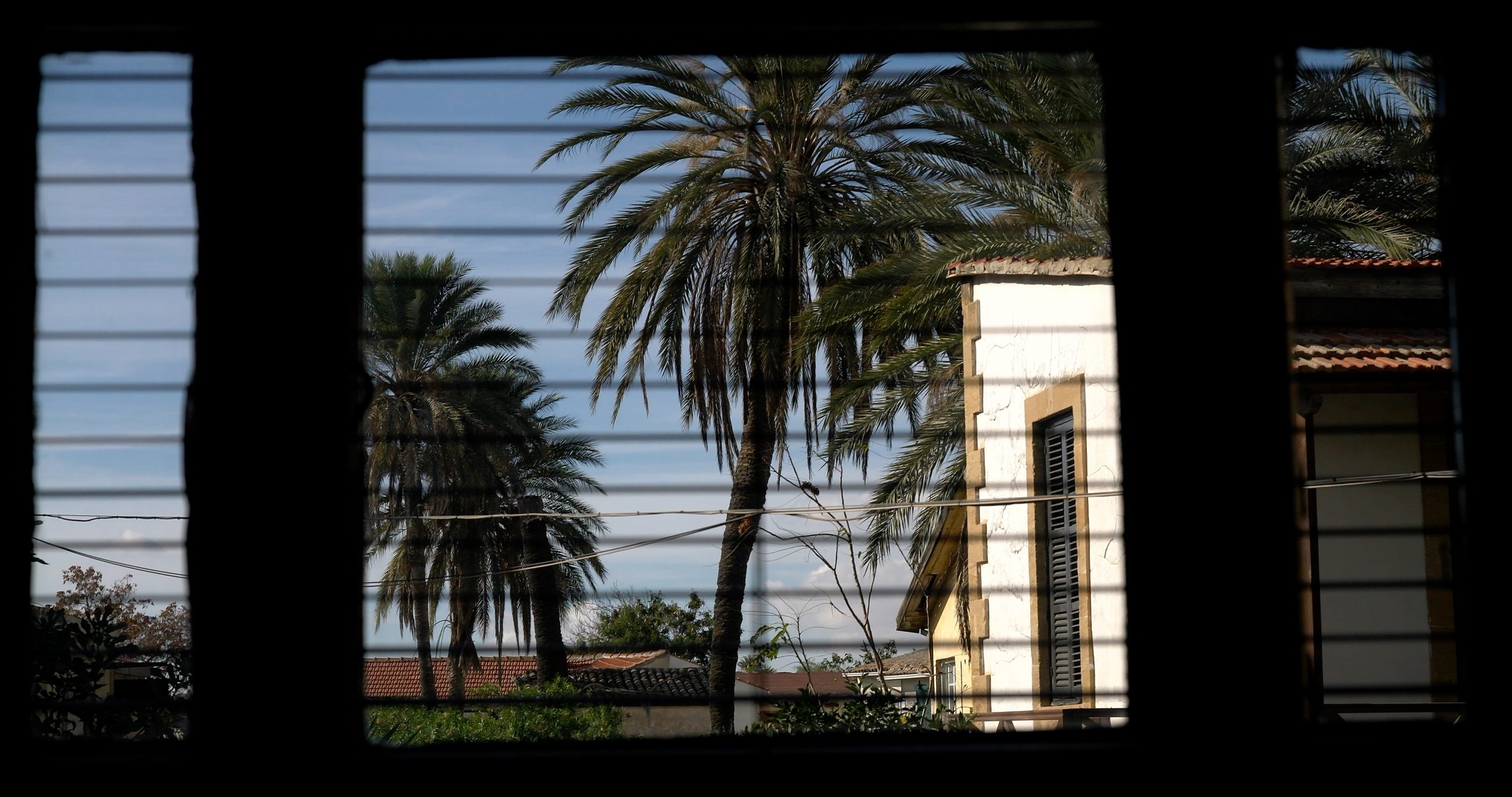
The exhibition catalogue and poster has my image looking out from the residency apartment. Professor Liz Wells selected it in part for the connection between the venetian blinds and the Venetian history of the old city.
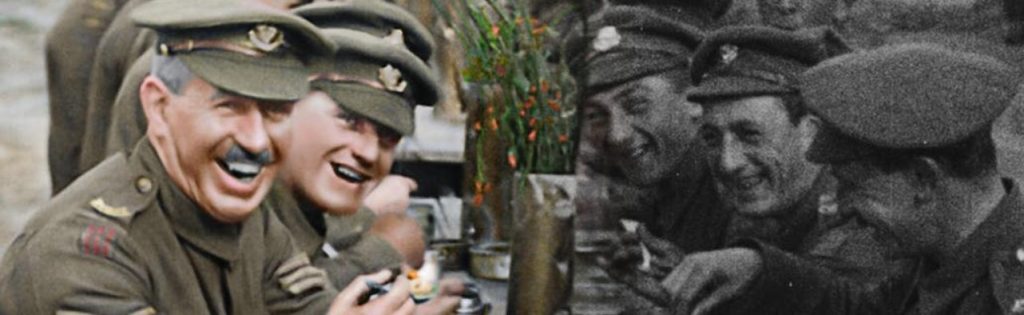
There is a fierce debate raging on CML’s [cml-film] under the thread title “Don’t call it a documentary”. It concerns the colourisation of WW1 archive footage by Peter Jackson in They Shall Not Grow Old. For some the colourised footage brings the soldiers and action to life, often suggesting that younger people can relate more strongly to the coloured lifelike representation. Others disagree and also point out that the original black and white footage is often viewed as extremely poor quality digitised copies.
Adam Forslund wrote: What is interesting to me is when I was a kid my grandmother (Born in 1921) and I were talking about dreams and she said “Sometimes I dream in Technicolor.” To which we had a long discussion about how she normally would dream in B&W. With science and history pointing out that humans have not always viewed colors the same way or at all. With all those that did see the war first hand gone then the war lives on in B&W.
Colorizing film for me is not needed.
Adam Forslund
Former DP turned Lawyer
5/12/18
The release of the updated Ektachrome 100D 7294 has generated some interesting online material, including this Spanish site:
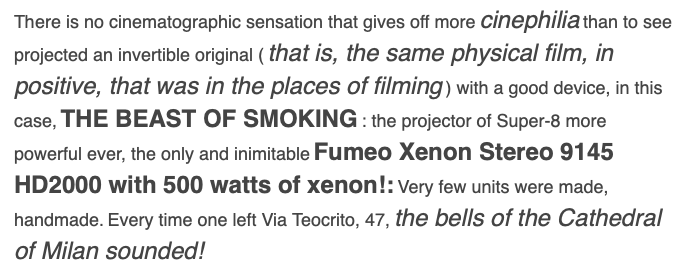
Unpicking the machine translation I have:
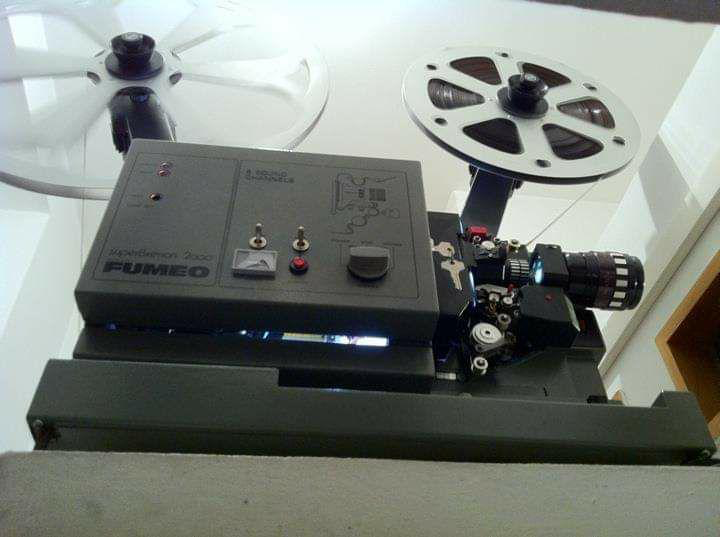
There is no more cinephilic sensation than to see projected a reversal original ( that is, the same physical film, in positive, that was in the places of filming ) with a good device, in this case, THE BEAST OF A FUMEO : the most powerful Super 8 projector ever, the only and inimitable Fumeo Xenon Stereo 9145 HD2000 with 500 watts of xenon!: Very few units were made, all handmade. Every time one left Via Teocrito, 47, the bells of Milan Cathedral sounded!
Ignacio Benedeti Corzo
Spanish original web page:
https://mimundoensuper-8.blogspot.com/2018/12/la-bestia-el-fumeo-9145.html
Accessed 07/12/18
That harks back to my writing about the German filmmaker Milena Gierke projecting her camera originals – being there beside the camera’s gate in the past and the projector gate in the present.
In the film below at 13’ 48” Ignacio Benedeti Corzo states “if Kodachrome was the colour of the 20th century, Ektachrome is the colour of the 21st!”
FERROL 7294 (First Kodak Ektachrome 100D 7294 Super8 4K ever)
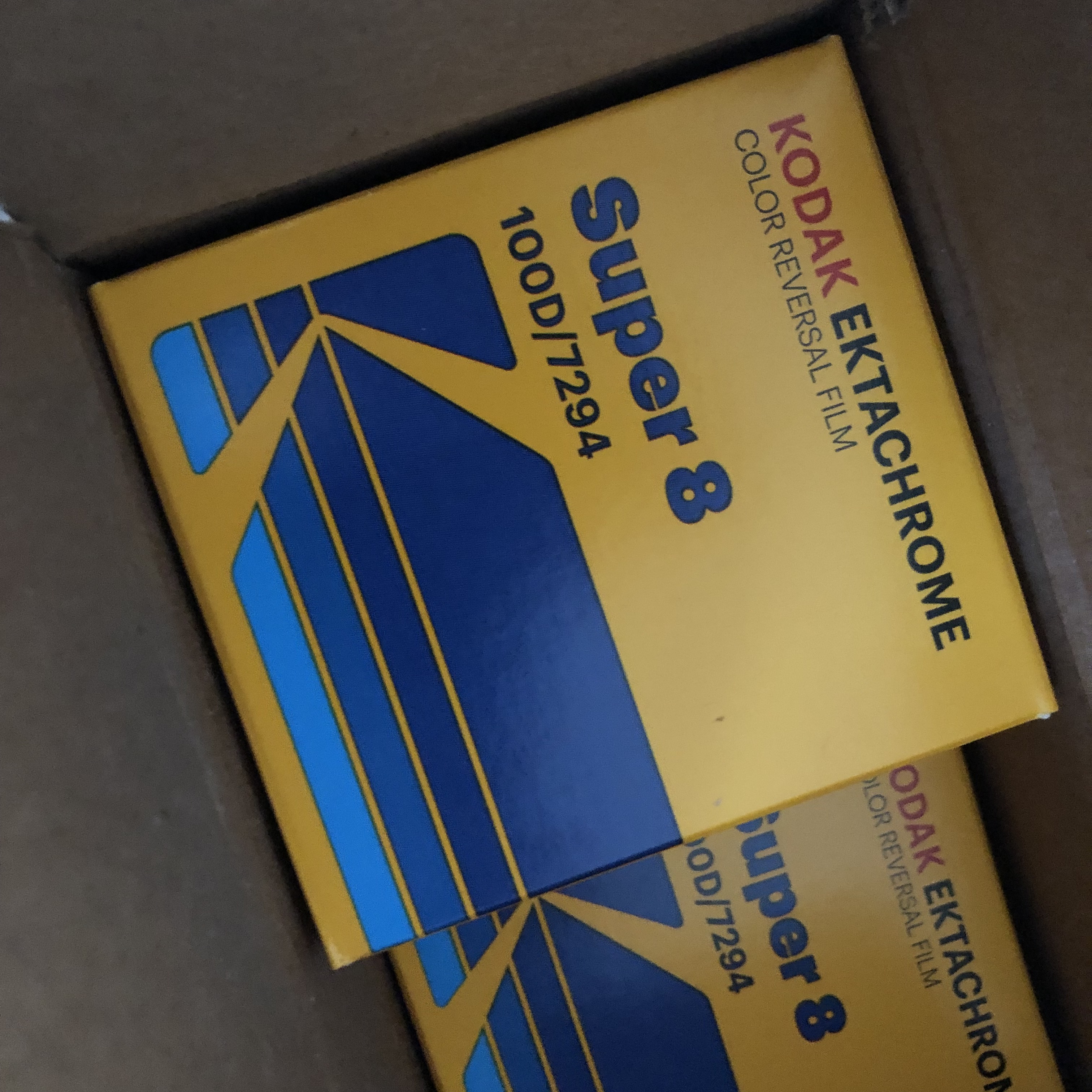
After years of promises Kodak began supplying the new Ektachrome reversal film to retailers in the UK. Continue reading “Ektachrome experiment”
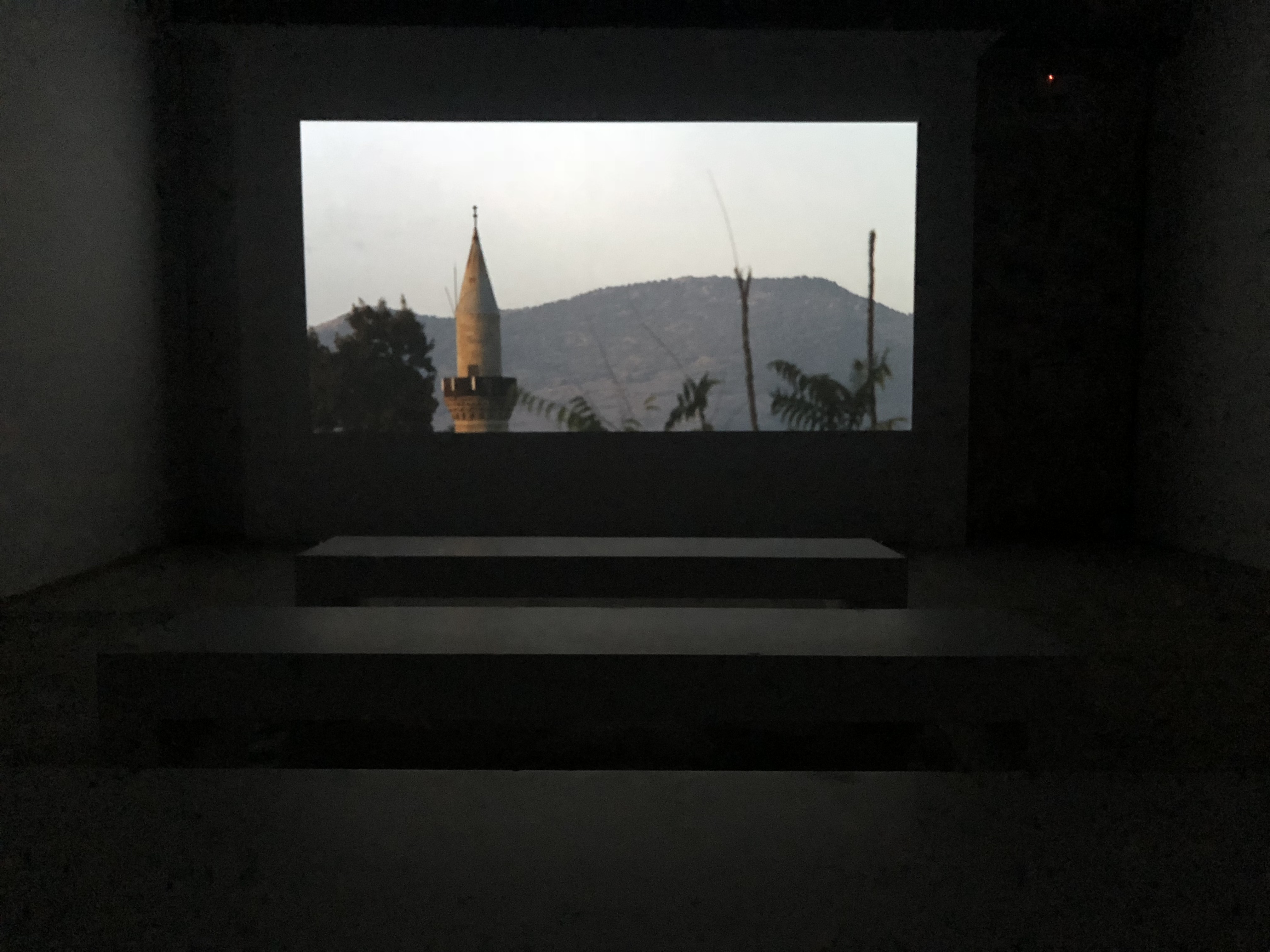
We spent quite a bit of time in NiMAC’s auditorium with Father-land screening. The wall onto which the film was projected faced approximately north, so it’s not too much of a stretch to ‘project’ that if the illuminated rectangle was a window the view would be not entirely dissimilar.
Geographer Jay Appleton, in his book The Experience of Landscape talks about the human response to being in a place of safety where one can look out into the landscape, framed as prospect and refuge. Our rooftop outpost above the Powerhouse Café allowed us a secluded vantage point to film over the Buffer Zone in a way that mirrored the lookout posts of the soldiers along the Green Line. Near Trikoupi Street, the guards’ feet were only two meters above street level but it was easy to miss them as they looked down on the passers-by below. As we began filming we were unsure of the etiquette around the Buffer Zone, nor the legal strictures since there were many signs proscribing filming the guard posts and fortifications in the south, and the Turkish soldiers to the north seemed even more forbidding.
The construction of the art centre meant that sounds from outside became imbricated with the soundtrack of the film. I was conscious that the amplified call-to-prayer from the north would be less remarkable to locals, but also perhaps unwelcome being repeated in the gallery as it is a sound that permeates the city every day. It was slightly uncanny hearing a constantly changing augmentation to the film’s audio – that is itself composed of the sounds of the city – by the sound filtering in from outside: the muezzin relayed from Istanbul reciting the adhan over loudspeakers on the Selimiye Mosque, pigeons on the window ledges, crows calling, people’s voices, construction and traffic noise. If I had thought of it I would have recorded the ambience from outside with the film’s soundtrack silenced…
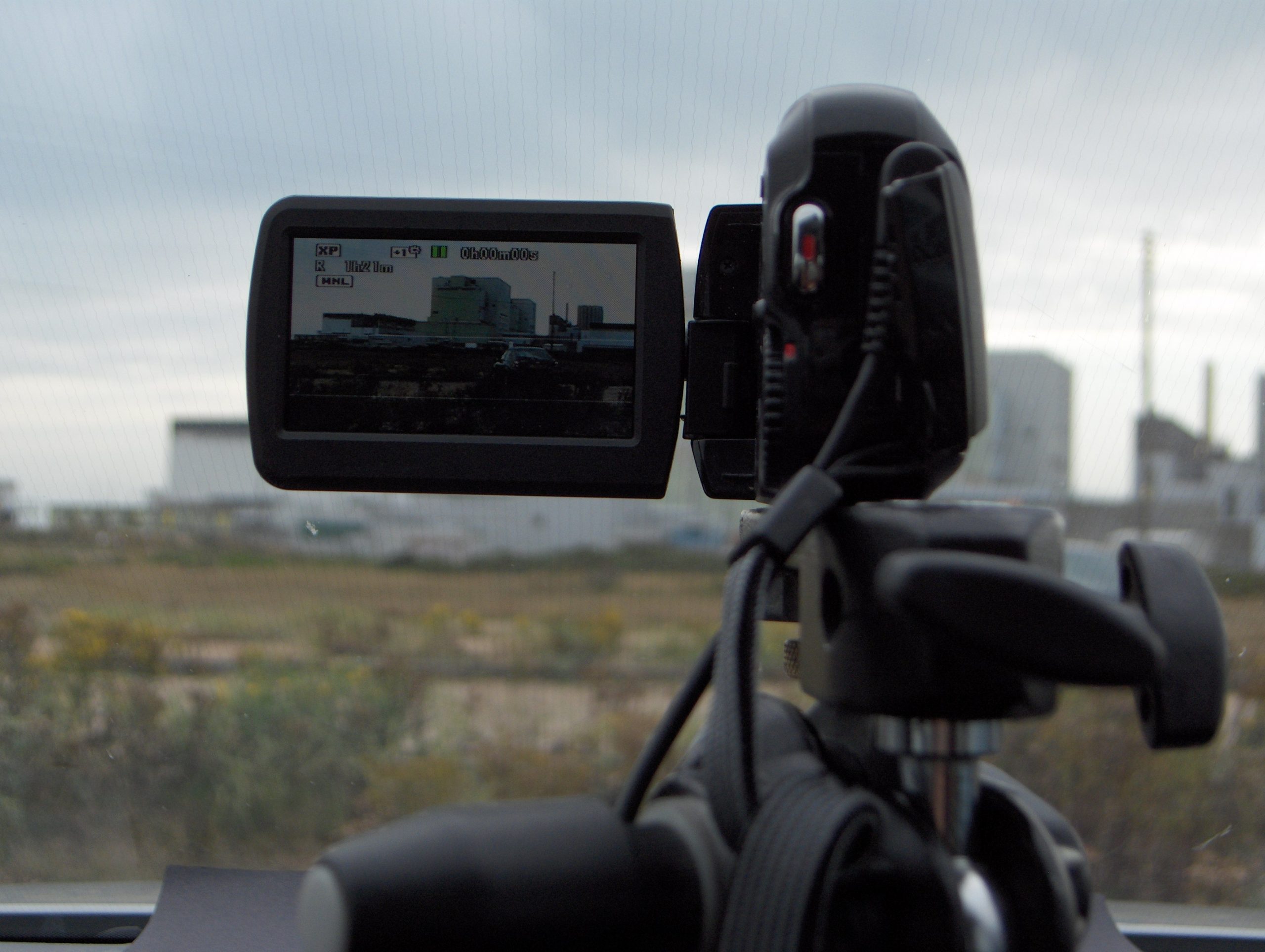
I screened Missing Derek in the Scott 102 at Plymouth University. The 5-hour film played on a loop. When working in Kent in the 80s and 90s I was transported along A-roads and motorways across the width of England. After the quiet frenzy of getting ready to leave – both personal gear and the filming kit – you would settle into a ‘zone’ as the miles and hours rolled by in the crew bus. As we were physically transported over 300 miles one was also mentally transported by the ever-changing vista through the windscreen of the VW Transporter van.
The experience of motorway driving is similar to cinema, in that you have a fixed frame within which there is action – or the lack of it – but the sensorial experience is largely visual, as you are separated from the ‘outside’ within the vehicle, and the environment is perceived through the pane as images – like watching a film.