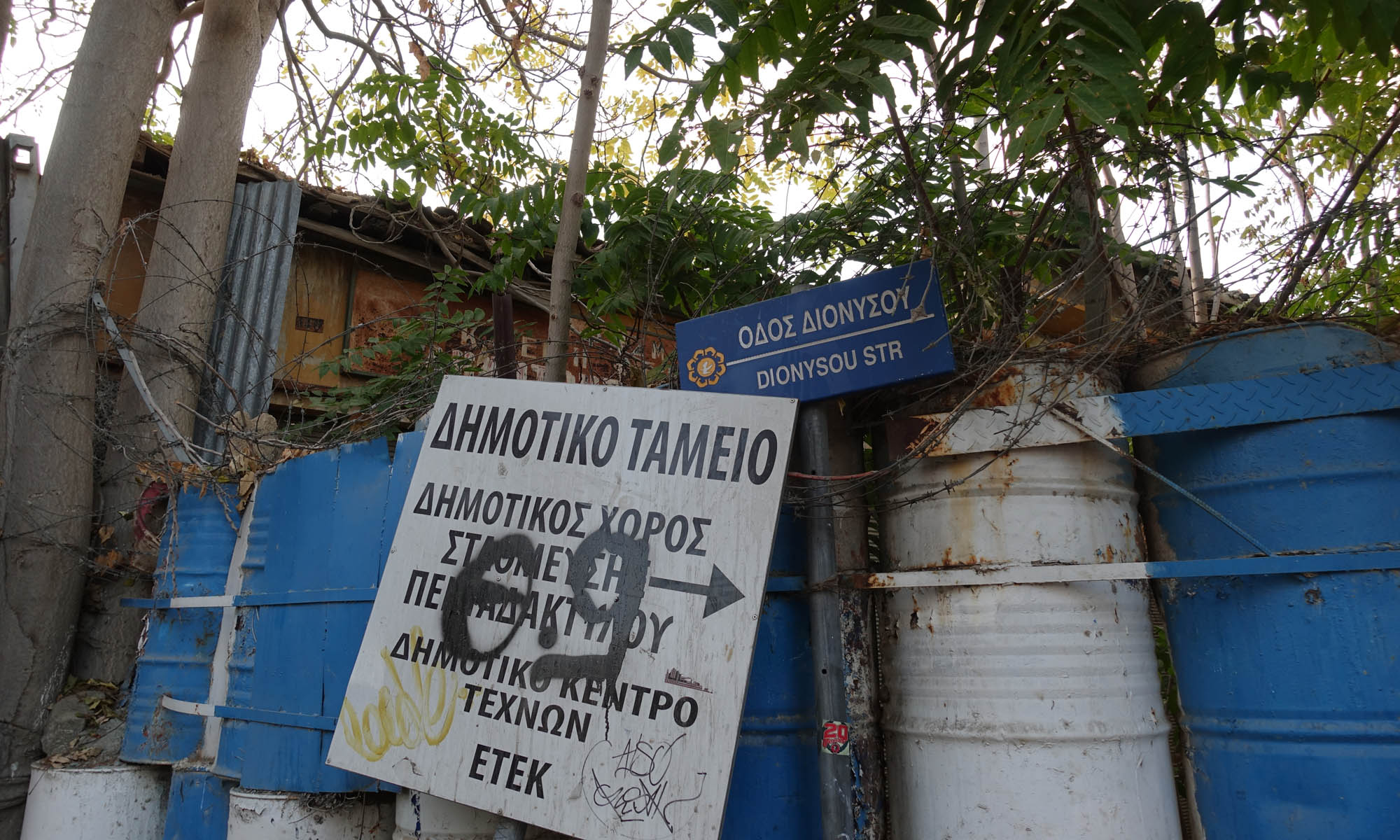
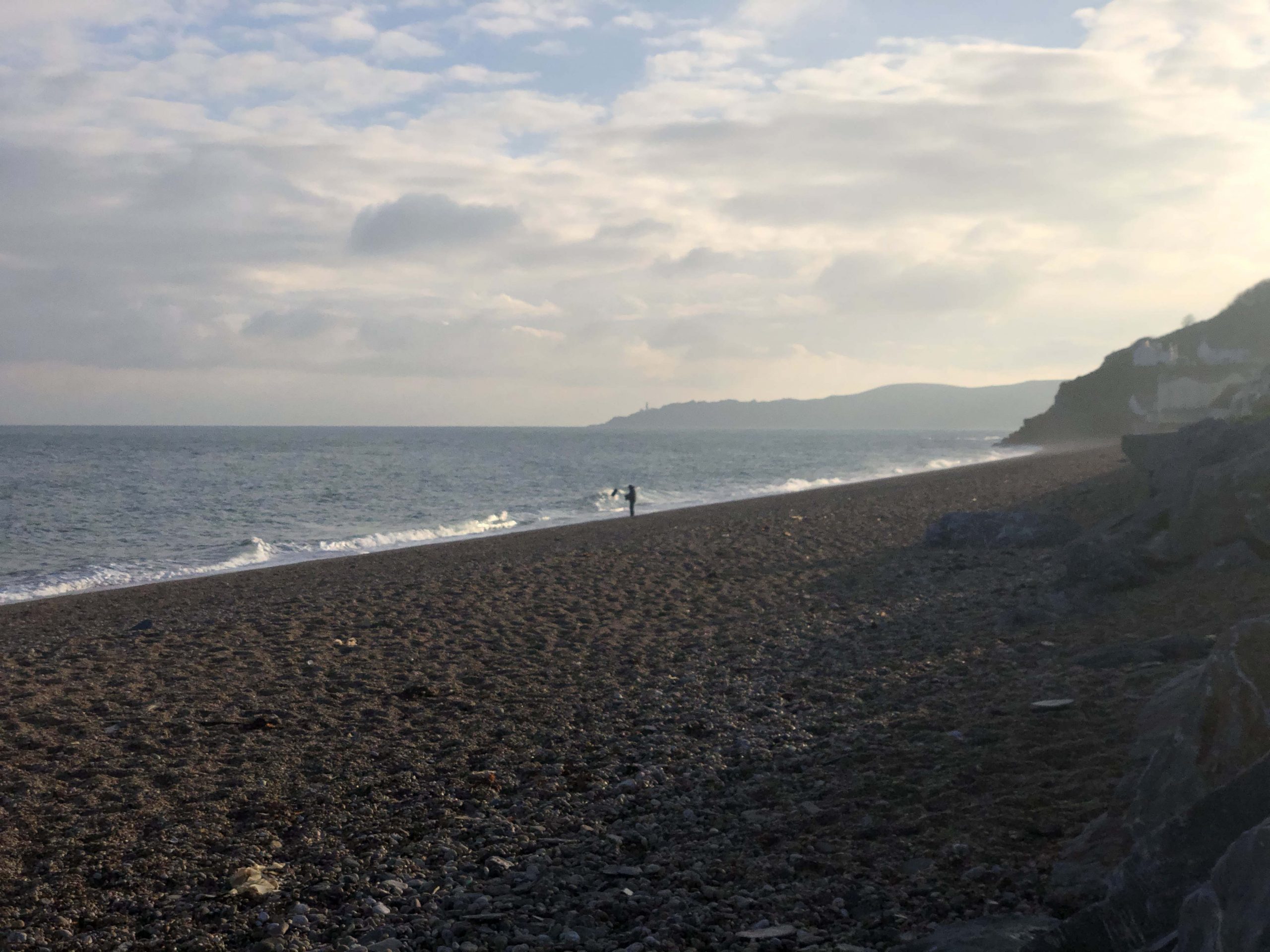
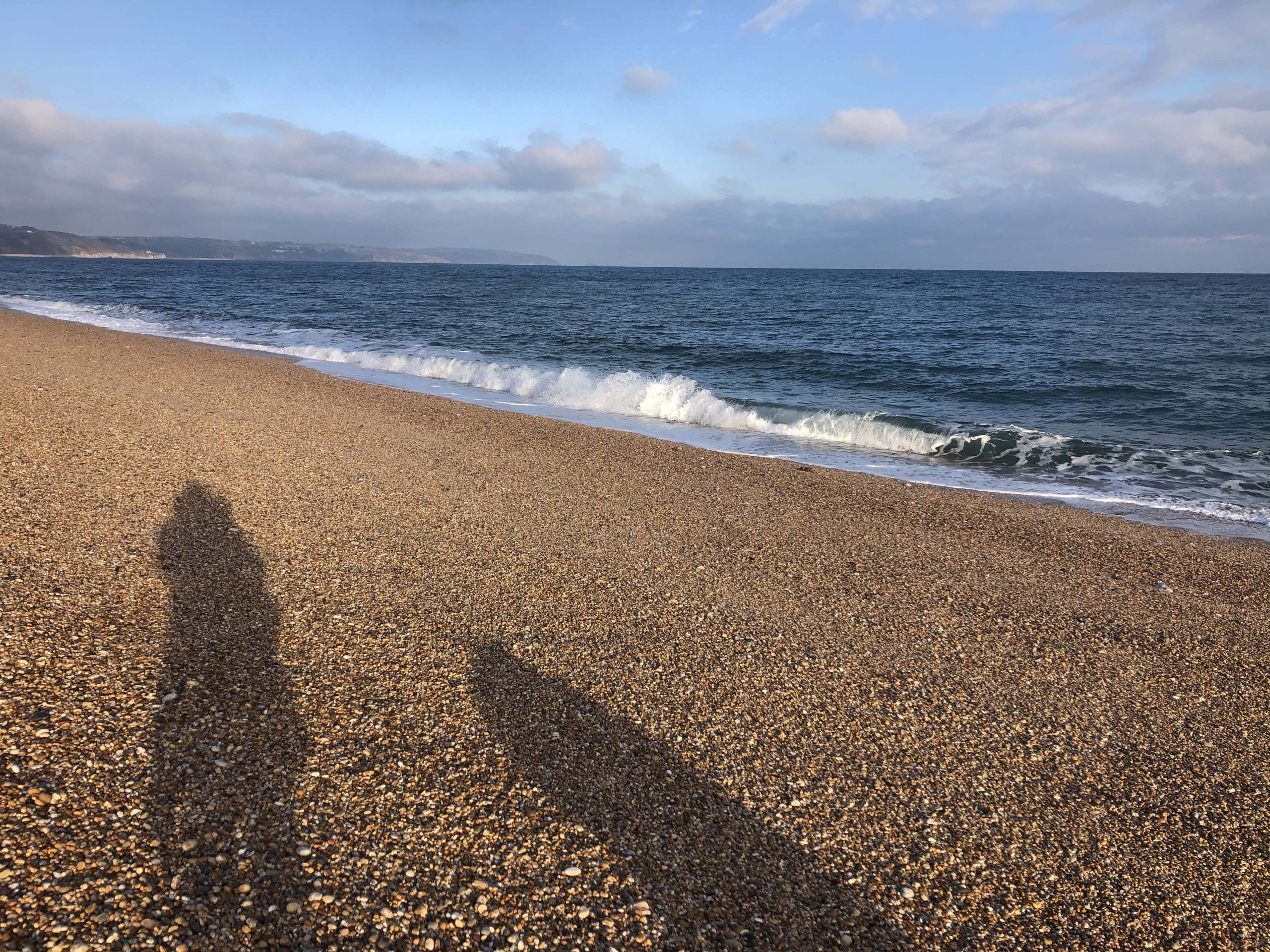
Slapton Sands standing in for Dungeness to record voiceover. A bitterly cold day for sound recording in south Devon in December 2020, using a Sennheiser MS stereo pair in a Rycote windshield recording on a Zoom F4.
Spending time at Slapton took me back to a music festival on the beach many years ago with my dear friend Robert Surgey (RIP) travelling there in his mum’s tiny Mini pickup.
It also reminded me of filming underwater along that coast with Laurie Emberson for the BBC. Let’s just say it was a different era in terms of health and safety! I remember being in our small rib off Start Point (which is visible distantly in the first picture) with Laurie trying to restart the outboard for what seemed an age after we had been filming on a small wreck in the afternoon. We drifted out to sea despite my efforts to row towards shore in a thick 6mm drysuit while Laurie pulled on the starter cord. Thankfully the engine eventually fired up.
This audio recording session was an early adventure after the Covid lockdowns in the UK where travel was prohibited beyond some hazy notion of ‘local’.
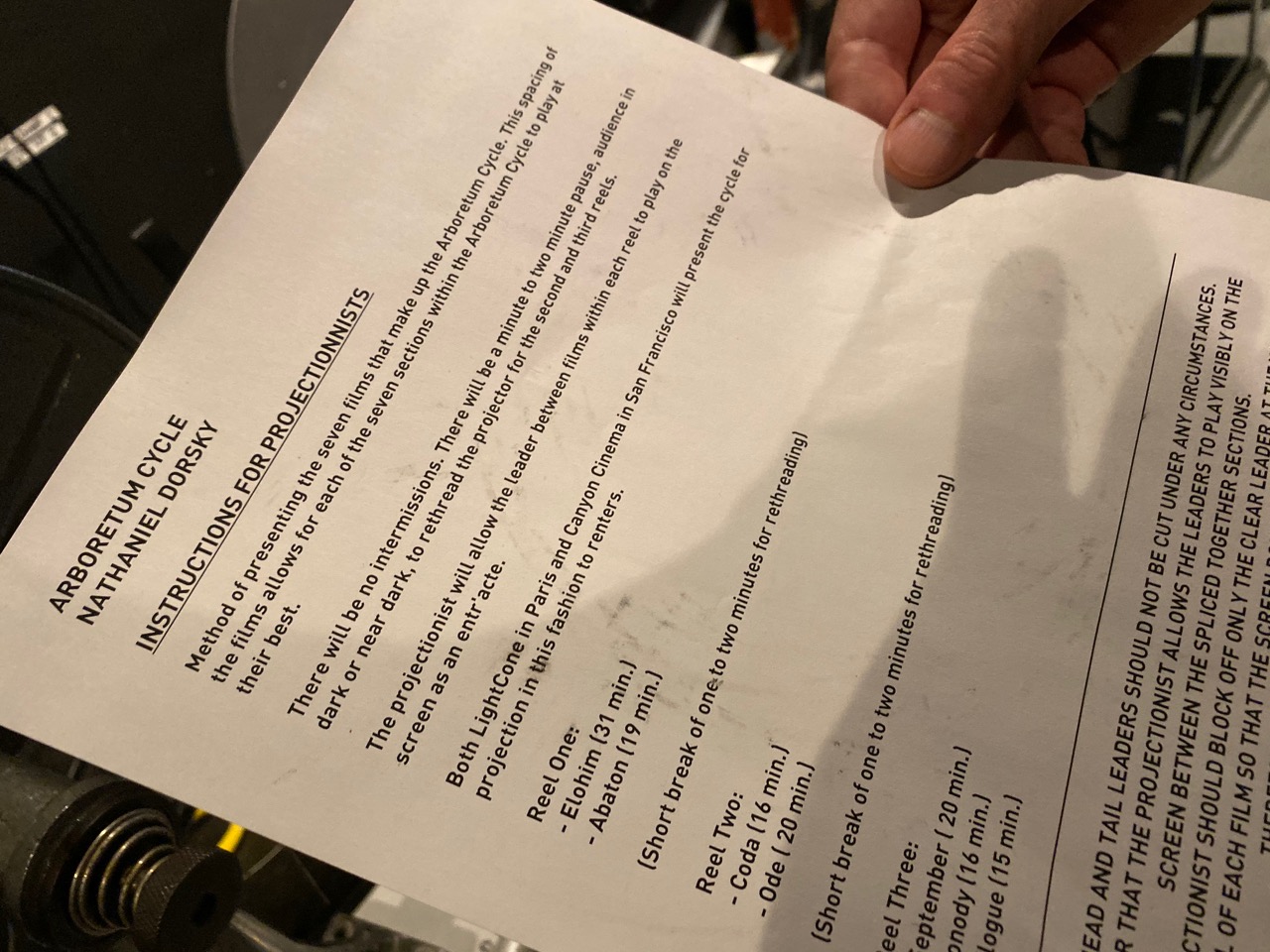
Inside Close Up Cinema’s projection booth with one of Dorsky’s reels.
“Above all, cinema is a screen, cinema is a rectangle of light, cinema is light sculpted in time” (Dorsky, Devotional Cinema).
The screening of Nathaniel Dorsky’s Arboretum Cycle at the Close Up Centre in London’s Hoxton was a singular experience. The small auditorium was very dark and almost (two free seats) filled to capacity at 7.30 on a Friday night. We arrived slightly late following a taxing 250 mile journey that, due to the vagaries of satellite navigation and road closures, took us through Piccadilly Circus and Theatreland on the way to our less mainstream entertainment in Shoreditch. We were ushered into the pitch darkness by the charming projectionist. The audience was watching images of foliage in silence which were quite dim at times despite the high spec xenon-lamped projector, meaning one could sense the human presence rather than see it.
Dorsky’s presentation guidelines
Dorsky has restricted the availability of his films to analogue screenings. The films are 16mm prints of his silent films which must be projected at the ‘silent speed’ of 18fps. The prints had come from LightCone in Paris accompanied by strict guidelines for the screening which specified the films’ order, the brightness of the cinema, that the leaders must be left intact when the three larger reels were made up by the projectionist etc.
The auditorium was very quiet and unusually dark with the fire escape lights providing the only illumination other than the film projection . The audience was as silent as a group of around 100 people could be, there was no projector sound since it was housed in a proper projection box behind glass – unlike most 16mm screenings where an Elf projector is typically squeezed in to the rear of the seating in the auditorium. Images of the arboretum filled the 4:3 screen which had been blanked off to match the aspect ratio: some shadowy, some bright, an occasional shot of intense green beauty, images pulsing as the sun appeared from behind a cloud.
As the film filled the eyes the dislocated sounds of east London permeated the building. The thrum of a police helicopter overhead merged with shots of Californian sky glimpsed through the canopy of leaves. A washing machine somewhere above us in the building proceeded with its own cycles, strangely complementing the on-screen meditation.
Created over 10-month period, the seven-film Arboretum Cycle (2017) is dedicated to the relationship between light, trees, and plants of the Golden Gate Park Arboretum (Now known as the San Francisco Botantical Garden) in San Francisco, within walking distance of the filmmaker’s home. Dorsky began filming in February 2017 and completed editing at the end of December that year. This cycle of seven sections takes in a complete year in the world of light and plants. Not only do we witness the progression of the seasons but also the development of the filmmaking during this year-long exploration of light as life’s energy (2017).
“Silence in cinema is undoubtedly an acquired taste, but the delicacy and intimacy it reveals has many rich rewards. In film, there are two ways of including human beings. One is depicting them. Another is to create a film form which, in itself, has all the qualities of being human: tenderness, observation, fear, curiosity, the sense of stepping into the world, sudden murky disruptions and undercurrents, expansion, pulling back, contraction, relaxation, sublime revelation.” (Dorsky, 2022)
Kayla Parker introduced the screening of Patrick Keiller’s third film featuring the itinerant scholar Robinson, for Peninsula Arts, at Jill Craigie Cinema, Plymouth University in 2011:
“In conversation at Watershed in Bristol earlier this year, Patrick Keiller described how he set out with a camera to find answers to some questions about moving image and the history of settlement in the British landscape. That expedition became the film you’re about to see: an investigation into notions of dwelling, of belonging to the landscape, and an exploration of land ownership in Britain.”
Keiller says he wanted to find out why people are so interested in looking at landscape, and asks: Why do people love looking at a beautiful view? And, to whom does the land belong? The film starts with the conceit that Robinson’s exposed rolls of film were found in an ancient caravan in the countryside. Keiller was thinking of shooting on digital but someone told him he’d become be responsible for the digital data in perpetuity as part of his contractual obligations.
Paolo Cherchi Usai said cinema is self-destructive as projection eventually wears out film prints. He hadn’t tried to resurrect films on old video tape or audio on DAT!
Both sides of Gierke’s business card from Aurora 2009
In 2009 I attended the Aurora Festival in Norwich, Norfolk, UK. There were two programmes of Super 8 films by Berlin-based artist Milena Gierke.
Gierke introduced her film selection – she chose reels of Super 8 from her collection to share with the Aurora audience – and spoke about their filming context. She was sitting behind me with festival director Adam Pugh whilst Hogge (@photosonics) projected her films from the rear of the auditorium, watching her films over my shoulder.
2009 was the last Aurora festival and in the years since the website disappeared and now the domain is up for sale. A few fragments remain on the Wayback machine:
My recollection of those films is hazy, some images remain (helped by the titles on the linked page above) although the experiential memories are at least as strong. The well-known Scottish filmmaker pissing around with someone from the ICO in the row in front, Gierke sat behind, the old seats of Norwich Arts Centre, the sound of the projector at the rear of the large auditorium.
Chatting to Milena next to Hogge and the projector after the screening, she handed over the homemade business card seen above.
A couple of frame grabs from the HD scan of Sea City Super 8 footage.
The lower image shows Kodak’s 7268 product code for Kodachrome 40 in the edge markings. The scanner was set to include the edge markings for a few feet of film. The upper image shows the framing for the actual transfer.
A number of films in my collection have accompanying audio on formats which changed over the years: audio cassette, a few reels of 1/4″ tape, DAT and solid state recording devices.
When searching for the original audio for the Sea City project recorded on DAT (Digital Audio Tape) I discovered my DAT recorder had expired – it turned on but would not play the tape. I contacted various friends and local organisations to borrow a player but all the machines had problems of one sort or another, seven machines in total!
DA-P1 with non-spinning head drum
A Panasonic SV-3800 DAT machine bought on eBay chewed up a tape
so was returned for a refund. It played a few tapes OK and these were captured via S/PDIF to the laptop.
Eventually I found a repairer in Ireland who fixed my Tascam DA-P1 – expensive!
A few rolls of Super 8 were scanned at Geneva Stop in Bristol. The MWA HD scanner can be set up to overscan ie to include the edges of the film which were excluded from the Deluxe scan in Soho years earlier. It’s amazing to remember that in just a few years video has transitioned from broadcast interlaced 4:3 standard definition to 16:9 HD progressive and beyond.
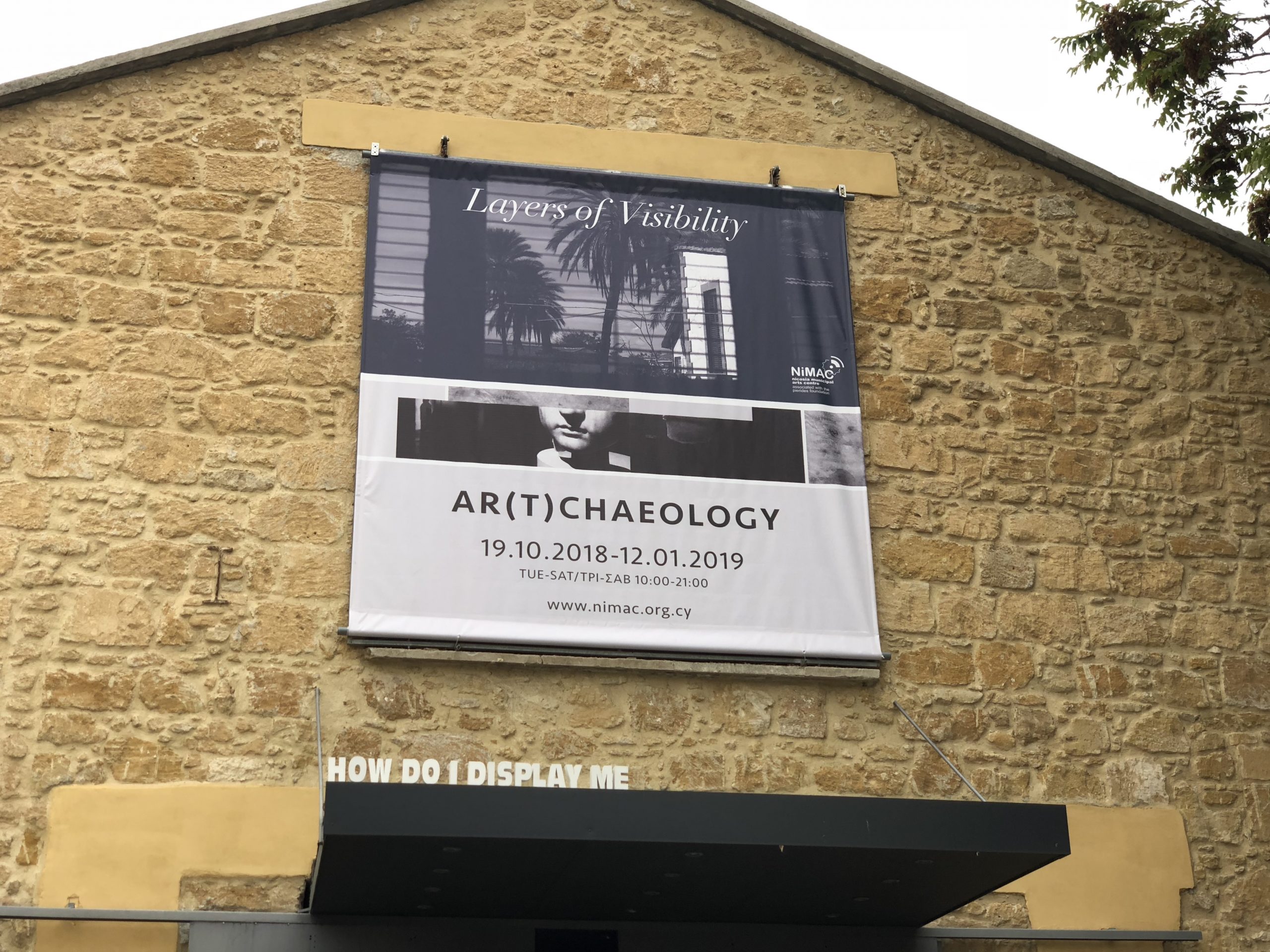
Our film will be part of the Layers of Visibility exhibition alongside Ar(t)chaeology in NiMAC from 19/10/18 to 12/01/2019. The ICPT photography conference takes place during the exhibition where we’ll present a paper on Father-land.
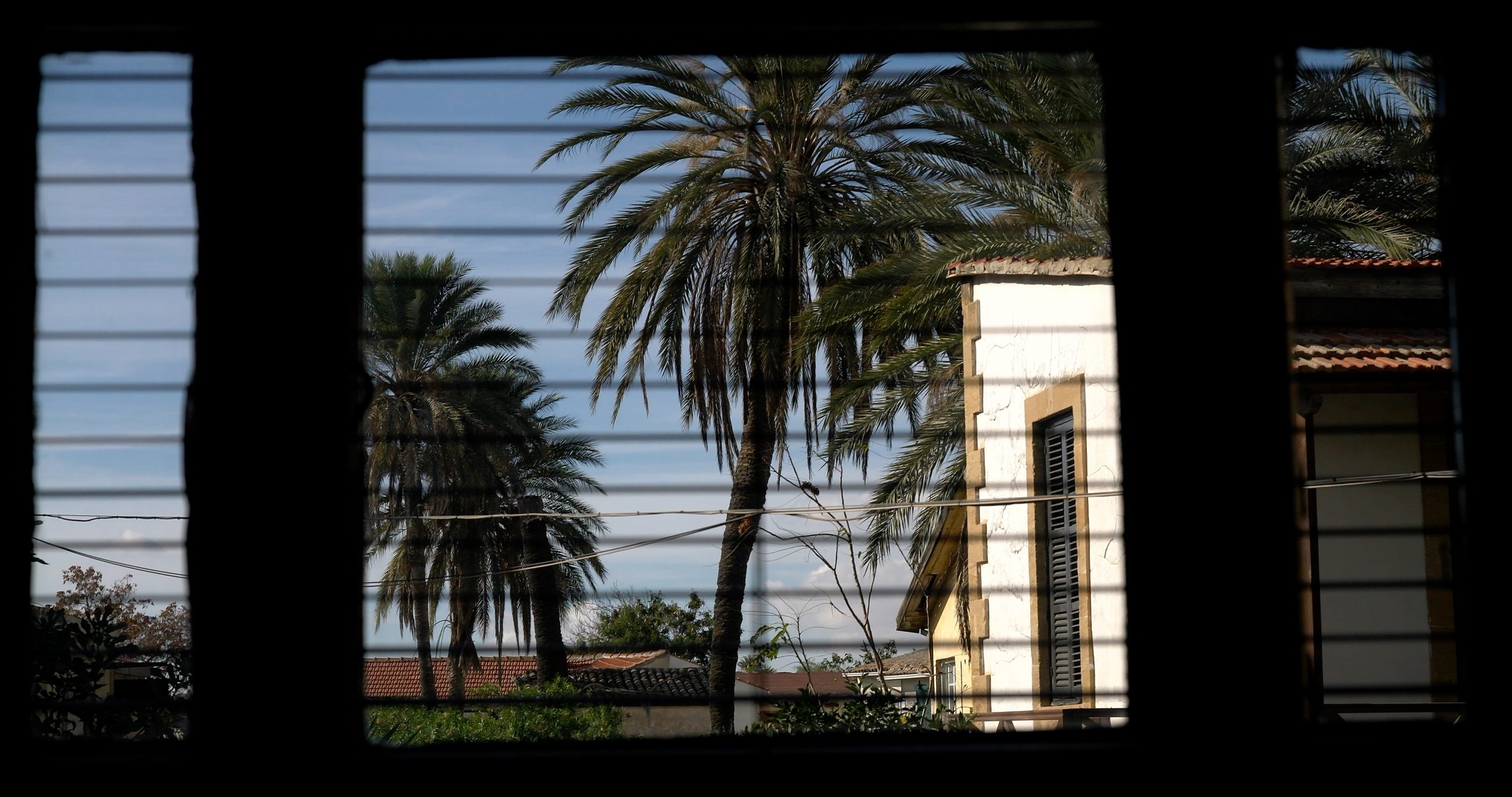
The exhibition catalogue and poster has my image looking out from the residency apartment. Professor Liz Wells selected it in part for the connection between the venetian blinds and the Venetian history of the old city.